


The lubricants industry in the UAE has long been recognized as one of the most significant components of the country's re-export economy. The UAE is at the absolute forefront of meeting the massive demands for high-quality lubricants not only within the Middle East, but also in neighboring high-growth regions like the CIS, India, Pakistan, Sri Lanka, Bangladesh, and Africa.
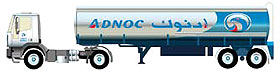
In recent years, East Africa and the CIS have emerged as major export destinations for lubricant products blended in the UAE. "We have been registering a significant increase in our lubricants exports to East Africa. We are able to provide cost-effective solutions to meet the rising demand for all kinds and grades of lubricants in African countries," said Mohammed H. Al Shamsi of UAE-based ADNOC Distribution, one of the leading manufacturers of all kinds of lubricants in the UAE.
UAE Lubricants Market: Growth, Trends, and Outlook
The UAE lubricants market is experiencing robust, steady growth, with a projected value exceeding 170 million liters by 2030 and a forecast CAGR of 3.9%–4.8% through 2032. Key drivers include massive national infrastructure projects, a rapidly rising vehicle population (currently over 3.7 million), and booming industrialization, particularly in Abu Dhabi and Dubai. The market is rapidly shifting toward high-performance synthetic lubricants, bio-based products, and specialty EV-compatible fluids.
Key Market Statistics
Major Players

UAE Lubricants Market Growth - Overview
Recent Strategic Developments
The UAE is heavily investing in the modernization of its chemical sector. In late 2024, ENOC Group launched redesigned packaging with blockchain-linked QR codes to aggressively combat counterfeit products in export markets. Meanwhile, massive domestic investments in Abu Dhabi (USD 12.8 billion) and Dubai's expanding infrastructure budgets are supercharging local industrial lubricants demand.
Furthermore, ADNOC's Ruwais refinery expansion is drastically increasing local base-oil availability, strengthening the "Make it in the Emirates" initiative. On the automotive front, companies like Castrol and Shell are rapidly introducing specialized, ultra-low viscosity lubricants for electric and hybrid vehicles to support the national target of reaching 10% EV adoption by 2030.
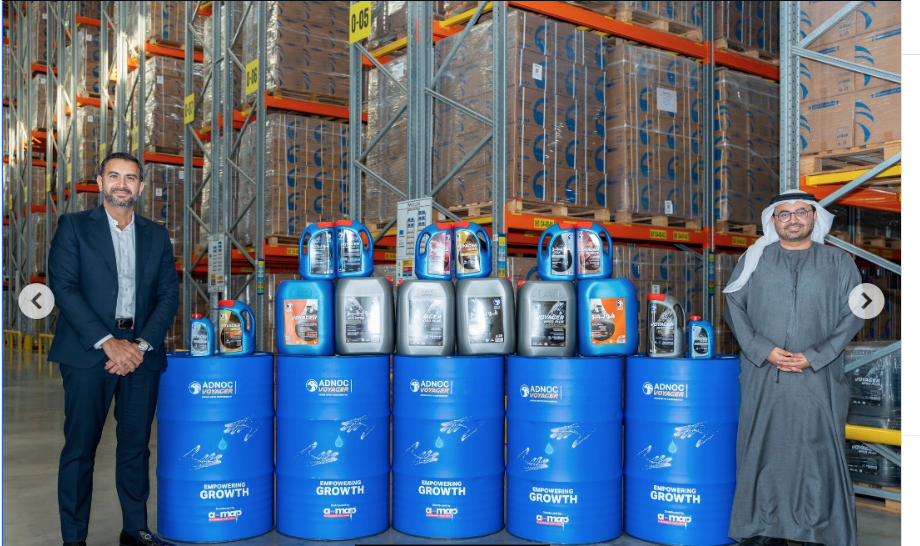
Lubricants Exports from Dubai to Africa
Exports from Dubai consist of roughly 60 percent automotive lubricants (such as gear oil and engine greases) and 40 percent industrial lubricants. “There seems to be a growing market, and although we have only recently started exports to East Africa, we are hopeful that it will continue to grow,” said Naeem Amin Tai, managing director of Pride International Lubricants. The company currently exports heavily to East Africa, Pakistan, Yemen, the CIS, and Saudi Arabia.
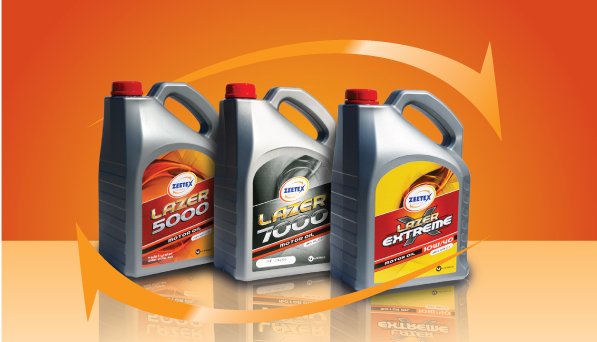
UAE-based lubricant manufacturers are heavily concentrating their efforts to capture emerging markets. “The CIS and Africa have the potential to emerge as massive markets for UAE-based lubricant dealers, going by the steady increase in demand over the last few years,” notes Raghuvendra Sangha of Zafco Trading, manufacturers of the Zeetex brand.
“In the past, users of lubricants in Africa were satisfied with locally-produced brands,” says Boney Katatumba, president of the COMESA Business Association in Uganda. “With the globalization of the marketplace, customers in Africa are now demanding higher-quality, durable products.”
Most major international manufacturers are rarely interested in supplying quantities that do not run into massive multi-container shipments. This is where Dubai excels. “African buyers can source all their varied requirements from just one location,” explains Shabbir Ali, General Manager of Artra Lubricants. An importer in East Africa can easily consolidate 2T Oil, battery water, and industrial greases into a single mixed shipment from Dubai.
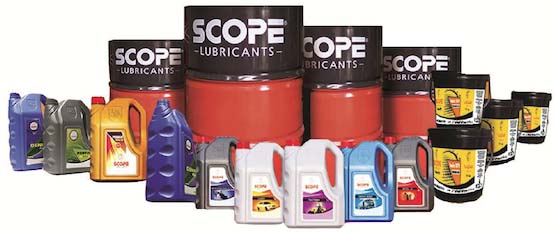
UAE’s strength in the lubricants business is based on a perfect balance of low-priced goods and high quality. “We are able to offer our products to African buyers at very competitive prices because we operate in a low-cost environment in terms of raw materials and base stocks,” says Azhar of Sharjah-based Al Mehdar.
African buyers are extremely happy to travel to the UAE to source their requirements. “Prices in Africa for these goods are almost double,” says James Kyadze, a Ugandan importer. “Dubai is a fantastic place to buy—the easy availability of goods, excellent shipping links, and a well-established manufacturing base make the UAE an ideal business destination for me.”
Did You Know?
