

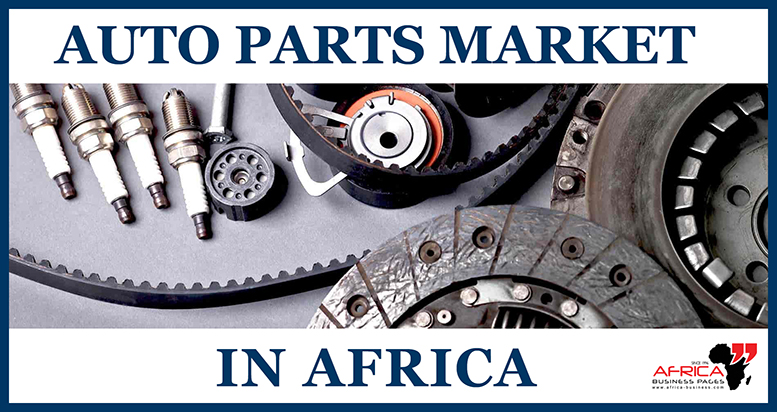
The rapid industrialisation, urbanization, and modernization sweeping through the African continent has resulted in an unprecedented demand for automotive capital goods, including machinery, lubricants, and replacement parts. The market for automobile spare parts, in particular, has evolved into a highly lucrative sector for UAE-based enterprises, who utilize Dubai's world-class logistics infrastructure to maintain their position as the leading suppliers to East, Central, and West Africa.
The UAE has long been recognized as the premier global supply hub for the African aftermarket. While the industry occasionally navigates global supply chain shifts, the volume of exports has consistently recovered and expanded. However, the staggering demand for quality replacement parts has encouraged parallel imports, forcing authorized distributors and global OEMs to aggressively secure their supply chains against sub-standard counterfeiters operating across borders.
Latest Trade Developments in the Aftermarket
In 2025 and moving into 2026, the African automotive aftermarket has experienced a profound structural shift toward digitalization and e-commerce. As internet penetration and smartphone usage explode across the continent, major UAE-based distributors and African wholesalers are increasingly relying on B2B digital platforms to execute cross-border transactions. This digital transformation has dramatically improved supply chain transparency, allowing independent mechanics and fleet operators in cities like Lagos, Nairobi, and Johannesburg to directly source authenticated components, bypassing traditional and inefficient brick-and-mortar bottlenecks.

Simultaneously, the rising average age of the African vehicle fleet—driven by the continent’s heavy reliance on imported used cars—continues to propel the demand for routine replacement parts like brake pads, batteries, gaskets, and filters. Furthermore, with the implementation of the African Continental Free Trade Area (AfCFTA) and the gradual introduction of hybrid and electric vehicles (EVs) into commercial ride-hailing fleets, the market is rapidly diversifying. Progressive traders are now stocking advanced electronic diagnostics tools alongside traditional mechanical parts to service this new generation of African mobility.

Middle East & Africa Automotive Aftermarket (2023 - 2030)
Africa's Top 10 Selling Automotive Spare Parts
The Second-Hand Parts Ecosystem
The rise of a sizable second-hand spare parts market has also transformed the landscape. This lucrative sub-sector has registered substantial growth over the last decade, heavily driven by price-sensitive buyers. Sourced primarily from salvaged or auction vehicles in Japan, South Korea, and the UAE, these genuine used parts—especially fully intact engine blocks and body panels—are re-exported in massive volumes to supply Africa's expansive re-conditioned vehicle ecosystem.
Though not all second-hand spare parts sellers can provide the full range of components for every single car model, collectively, these outlets are capable of supplying nearly 90 per cent of market needs. In fact, some of the specialized outlets in the Sharjah industrial zones are reportedly selling parts for late-model vehicles at a fraction of the cost of brand-new genuine parts. As a result, the business of second-hand spare parts has developed into a fully-fledged, multi-million dollar industry.
Dubai-Africa Trade Synergy
The decisive factor is that, over the decades, Dubai has developed a highly sophisticated import system and massive warehousing capacity. The sheer volume of goods moving through the UAE ensures that wholesale prices in Dubai remain highly competitive—often 10 to 15 per cent lower than in neighboring markets.
It is, therefore, little wonder that an increasing number of African businessmen are seen purchasing their wholesale requirements from the UAE. "I come here to purchase spare parts because the prices in Dubai are some of the best in the world. As a result, I am able to make a neat profit when I sell these goods back home," notes an automotive dealer from Nairobi. "In addition to mechanical parts, I also purchase high volumes of low-priced car and truck tyres for the local market."
With an estimated 200,000 commercial visitors from Africa traveling to the UAE each year, the synergy between the two regions is undeniable. As the aftermarket trade to Africa continues to formalize and grow in stature, the UAE—with its strategic geographic location and globally unmatched distribution network—is perfectly positioned to reap the dividends of this booming sector.
Did You Know?