

Africa presents one of the fastest developing markets in the world, and the demand for cosmetics and personal care products is growing at a frantic pace. Not only is there a huge pent-up demand for upmarket products from Europe and North America, but there is also a booming appetite for the entire range of beauty and personal care products from major manufacturers around the world.
When it comes to looking their best at all times, Africans are second to none. As such, there is a huge demand for products such as beauty soaps, face washes, shampoos, conditioners, body and skin lotions, toners, astringents, cold creams, perfumes, hair colors, dyes, powders, and eye and face packs, to mention just a few.
While there is now a considerable level of manufacturing activity taking place within Africa itself, there is an assertive and rapidly growing segment of consumers demanding the best products available globally. Enterprising traders are keen to source such goods from reputed manufacturers but are often hamstrung by the purchasing volumes required.
Most large manufacturers are not interested in supplying quantities that do not run into several container loads. Often, it is not financially viable for regional buyers to go in for such massive volumes. Secondly, there is also the logistical challenge of sourcing products from different countries and even continents. For instance, an African importer may be interested in facial products from Europe, toiletries from the Far East, and herbal cosmetics from the USA. This places immense logistics constraints and would involve traveling around the world and opening Letters of Credit with a host of banks. Often, all these obstacles prove insurmountable, putting off many exporters.

Top Cosmetics Markets in Africa
The Rise of A-Beauty & Digital Commerce
The Rise of A-Beauty and Local Ingredients: The African cosmetics market is undergoing a structural transformation with the global rise of "A-Beauty" (African Beauty). Consumers and international brands alike are shifting their focus toward organic, indigenous ingredients like Shea butter, Marula oil, and Baobab extract, which are clinically proven to excel in dermatology. Furthermore, global multinational cosmetic brands have recognized the vast potential of melanin-rich skin and textured hair care, aggressively reformulating their product lines to cater specifically to the Afrocentric demographic rather than treating the continent as an afterthought.
E-Commerce and AfCFTA Integration: The implementation of the African Continental Free Trade Area (AfCFTA) is poised to radically reduce the cost of moving raw materials and finished cosmetic goods across African borders. Coupled with a massive boom in digital commerce—which is projected to top $72 billion by 2026—cosmetic brands are leveraging social media influencers, beauty bloggers, and online retail platforms to bypass traditional, fragmented supply chains. This direct-to-consumer digital model has opened up the market exponentially, specifically in major hubs like Nigeria, South Africa, and Kenya.
The global market for fragrances and perfumes is forecast to surpass US$50 billion by the year 2030, driven by a growing trend towards consumer urbanization, expanding middle-class spending power, and a heightened focus on personal grooming in emerging markets like Africa.
International suppliers of cosmetics are eager to find buyers in Africa to increase their exports. However, finding the right business partners, agents, and distributors is not as easy as it seems. Lack of proper information and business facilitation services means that most international suppliers do not understand the nuances of African markets as well as they should. As a result, most prefer to export directly to existing, verified importers of cosmetics and beauty products.
In order to facilitate direct B2B contact between African buyers and international suppliers, the Africa Business Pages has compiled a special Africa Cosmetics Directory. The directory lists major importers of cosmetics and beauty products in over 22 African countries. By providing a useful database of importers, retailers, wholesalers, and distributors, it helps international suppliers find business partners in key markets like Kenya, Uganda, Tanzania, Ethiopia, Mozambique, Rwanda, Ghana, Nigeria, Cote d'Ivoire, Cameroon, Zambia, Angola, Namibia, South Africa, and Zimbabwe.
The Africa Cosmetics Directory is now available in Excel format and can be downloaded instantly.
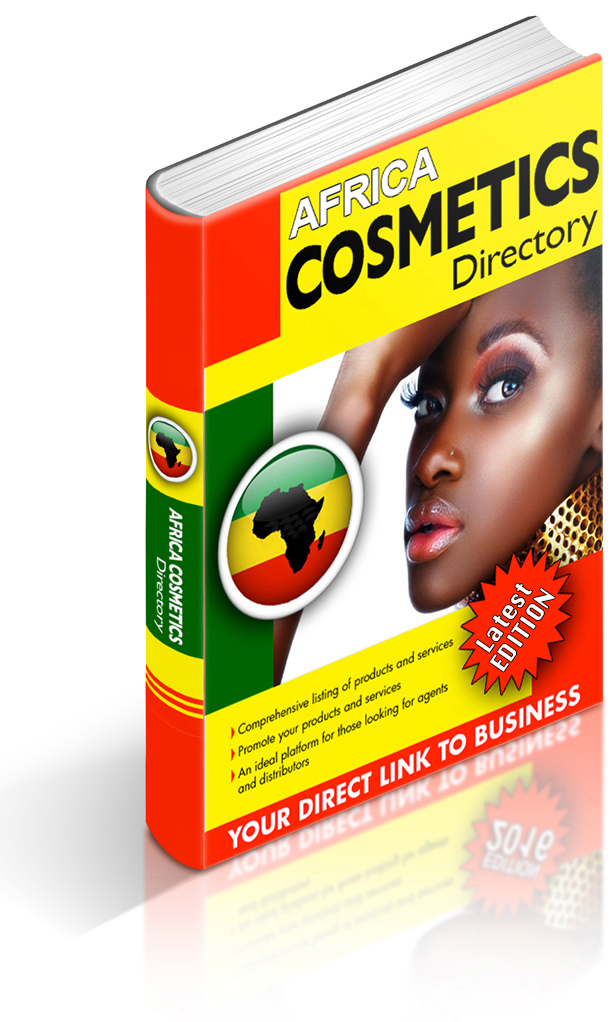
Africa Cosmetics Directory
Skip the middlemen and connect directly with verified buyers! This comprehensive database lists major importers, retailers, wholesalers, and distributors of cosmetics and beauty products across 22 African countries.
Download NowDid You Know?
