


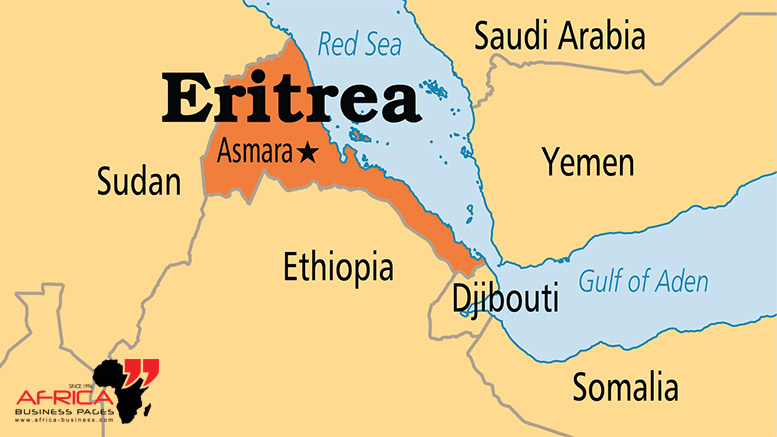
Eritrea is on a quest to build its nation with sweat and strategic partnerships, heavily emphasizing long-term self-reliance. Though impoverished by its long war for independence, Eritrea is rich with spirit, resourcefulness, and immense geological wealth. Since winning their independence, Eritreans have turned their energies inward, rejecting any outside interference that does not move them further toward political and economic autonomy.
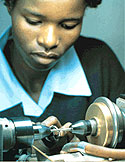
A shining historical symbol of those watchwords is the Eritrean government's endeavor to rebuild the 73-mile railroad running from the strategic Red Sea port of Massawa across the desert and up through the mountains to the cool highlands of the capital, Asmara. Rather than borrow hundreds of millions of dollars from foreign banks to fund the reconstruction, the government successfully mobilized its own citizens—calling former railroad mechanics out of retirement—to rebuild the infrastructure and secure crucial domestic logistics arteries.
Latest Economic Developments
Today, Eritrea’s macroeconomic framework is undergoing a significant transformation, heavily anchored by its booming mining sector. Following a stabilization period, real GDP growth accelerated to 3.2% in 2025 and is projected to hold steady at 3.3% through 2026. This positive economic trajectory is driven primarily by the ongoing development of the massive Colluli potash mine in the Danakil Depression. Boasting approximately 1.08 billion tonnes of ore, Colluli is structured as a 50-50 joint venture and is slated to become one of the largest sulfate of potash producers globally, significantly boosting national export revenues and foreign exchange reserves.
In addition to new mining investments, the broader economy is benefiting from a stabilization of global commodity prices. Inflation has eased considerably down to around 5% in 2025, providing much-needed relief to households relying on imported food and fuel. Backed by solid copper, zinc, and record-high gold exports from the Bisha mine, the country maintains a strong current account surplus. Moving forward, the government is focusing on modernizing its power generation grid and leveraging its strategic Red Sea coastline to attract targeted foreign direct investment that aligns with its strict terms of national sovereignty.
Eritrea Real GDP Growth (2023 - 2030)
The Dubai Connection: Gateway to East Africa

The United Arab Emirates has long served as a primary supplier of goods to Eritrea, acting as a crucial logistical bridge for the region. Because of Eritrea's geographical proximity to the Arabian Gulf and its direct control over key Red Sea ports like Assab and Massawa, Dubai-based traders ship containerized goods directly to Eritrea, which are then distributed to massive neighboring markets like Sudan and Ethiopia.
Currently, Eritrea's domestic manufacturing base remains heavily focused on localized consumption—including food processing, textiles, and basic consumer goods. As a result, the country remains highly dependent on imported raw materials, spare parts, and specialized machinery. This supply gap makes Eritrea an ideal, highly receptive trade partner for wholesale distributors operating out of UAE free zones.
How to Promote Your Products in African Markets

Eritrea is a developing market with vast, untapped opportunities for trade and B2B commerce. Though relatively small in population, its position as a strategic transit hub cannot be underestimated. For global traders looking to penetrate this market, utilizing digital avenues is the most efficient strategy.
By posting your business proposals on the African Classified Advertisements network, you can generate direct inquiries from business counterparts without the need for expensive, long-winded promotional campaigns. Employing simple, direct B2B digital marketing is one of the most effective tools for forward-looking entrepreneurs operating in the Horn of Africa.
Additionally, you can directly access active buyers by utilizing the Africa Business Directory. This platform provides verified contacts, allowing you to assess local market conditions and successfully introduce your manufactured goods to the Eritrean market. Finally, establishing a digital profile in the Advertising Section of the Africa Business Pages guarantees high visibility, granting your brand instant credibility and direct inbound links from African importers.
Did You Know?
