


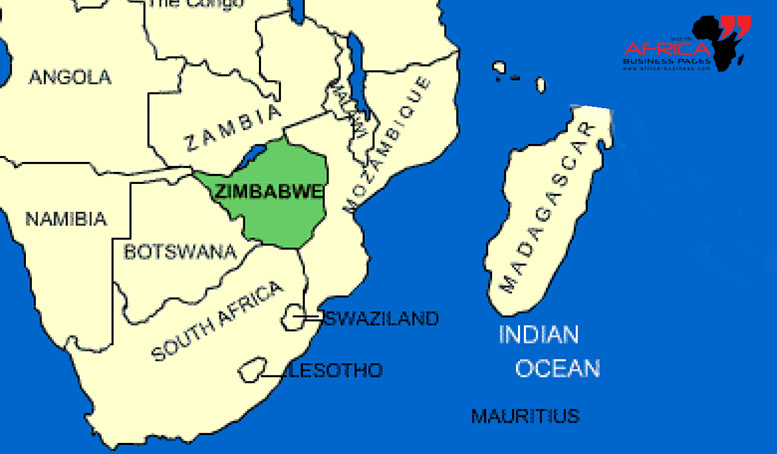
The Zimbabwean economy boasts a highly diversified industrial base, transitioning from a predominantly agriculture-based model to one driven by strong manufacturing, mining, tourism, and services sectors. The main contributors to the national GDP include agriculture, manufacturing, mining, and a highly competitive, world-class financial services sector.
Following historical land reform exercises aimed at creating equity in the distribution of the nation's natural heritage, the Government’s policy is now strictly focused on cultivating win-win investment partnerships. Driven by the overarching "Zimbabwe is Open for Business" mandate and Vision 2030, the nation is actively courting international capital to unlock the vast, untapped opportunities that remain across its critical sectors.
Zimbabwe consistently maintains one of the highest adult literacy rates in Africa, averaging around 90%. This remarkable human capital makes it one of the best-endowed countries globally in terms of a skilled, adaptable, and highly trainable workforce.
The ZiG Currency
In recent years, Zimbabwe has experienced a remarkable degree of macroeconomic stabilization, anchored by the introduction of the gold and mineral-backed currency, Zimbabwe Gold (ZiG), in early 2024. This strategic monetary policy has successfully tapered inflation and restored market confidence. Coupled with significant tax reforms and enhanced revenue collection, the country is actively addressing its structural debts and engaging with the international development community to unlock further global financing opportunities.
Looking at the near term through 2026 and beyond, Zimbabwe's real GDP is recovering robustly. The economy bounced back from the severe El Niño-induced drought of 2024, achieving an impressive 6.0% growth in 2025. This rebound is heavily supported by favorable agricultural conditions, record-high global gold prices, and surging foreign investments in the mining sector—particularly in platinum group metals and lithium, which are essential for the global green energy transition.

Zimbabwe Real GDP Growth
Strategic Global Partnerships
Zimbabwe’s strategic shift in its global vision—historically termed the “Look East Policy”—has evolved into a comprehensive economic integration strategy. Friendly forces from South East Asia, alongside a renewed engagement with global partners, are aggressively identifying and capitalizing on investment opportunities within the country.
This increased economic integration has been highly beneficial. The core competencies of Asian economies, particularly China, complement Zimbabwe’s industrial needs perfectly. By importing manufactured goods and capital equipment at competitive costs, Zimbabwe is better positioned to export its own high-value agricultural produce and critical minerals where it holds a massive competitive advantage. In spite of previous economic headwinds, Zimbabwe is successfully battling to meet its modern industrial needs and secure its position in the evolving global economy.
Did You Know?
