
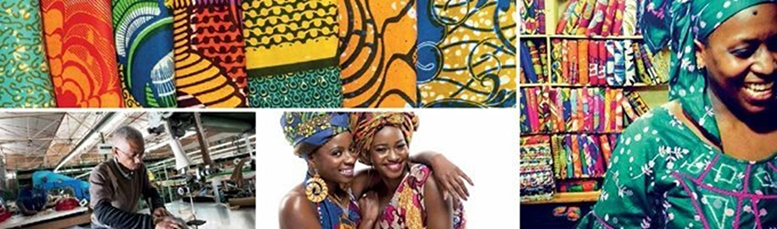
The textile industry is widely considered the major catalyst of the Mauritian Industrial Revolution. For the past four decades, the Mauritian apparel sector has spearheaded the structural transformation of the nation's economy. Acting as the primary engine of economic growth, it has consistently attracted Foreign Direct Investment (FDI), created vast employment opportunities, and fortified the island's robust manufacturing base.
The Mauritian textile industry has evolved remarkably, transforming from a basic producer of high-volume goods into a highly sophisticated, vertically integrated supplier of design-led, premium garments. Today, Mauritius exports to the major fashion markets of the world, namely Europe, the USA, and South Africa. The local industry is uniquely geared to face the challenges of a hyper-competitive, liberalized global marketplace by providing agile, rapid-response solutions adapted to the exact needs of international buyers.
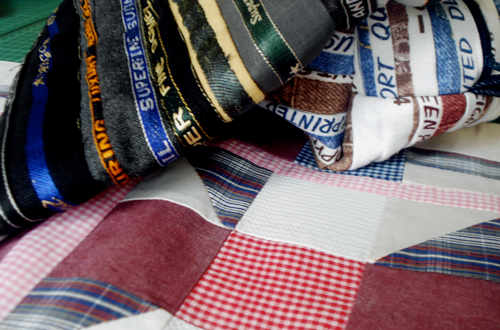
The Mauritian textile landscape consists of a diversified base of high-tech manufacturers capable of catering to a wide spectrum of buyers, offering exceptional flexibility in terms of price points, volumes, and specialized production runs.
Leading entrepreneurial manufacturers in Mauritius have accumulated such profound expertise that they are actively investing in additional production units in neighboring countries. This strategic regional transfer of Mauritian textile expertise—leveraging relatively low labor costs in mainland Africa while maintaining executive design and quality control in Mauritius—has turned the island into the undisputed textile hub of excellence in Southern and Eastern Africa.

Mauritius Textile & Apparel Exports (USD Millions)
Latest Trade Developments: Sustainability and Smart Manufacturing
As the global fashion industry faces intense scrutiny over its environmental footprint, Mauritius has aggressively positioned itself as a pioneer in Sustainable and Ethical Manufacturing. Moving into 2026, leading Mauritian textile mills have heavily integrated "green" technologies, including zero-liquid-discharge (ZLD) dyeing facilities, solar-powered factory floors, and the extensive use of organic, recycled, and traceable yarns.
Furthermore, Mauritius is maximizing its strategic trade agreements. The industry is leveraging the African Growth and Opportunity Act (AGOA) to maintain duty-free access into the United States. Simultaneously, local manufacturers are capitalizing on the African Continental Free Trade Area (AfCFTA) to tap into Africa's booming, fashion-conscious middle class.
Main Products
Global Brands
Mauritian factories are trusted partners for labels including:
Levi’s, Calvin Klein, Tommy Hilfiger, Zara, Guess, Massimo Dutti, Victoria’s Secret, Puma, Abercrombie & Fitch, Mango, Harrods, Banana Republic, Express, Esprit, S.Oliver, Hackett, Woolworths, Foschini, Topshop, and L.L. Bean.
Did You Know?
