


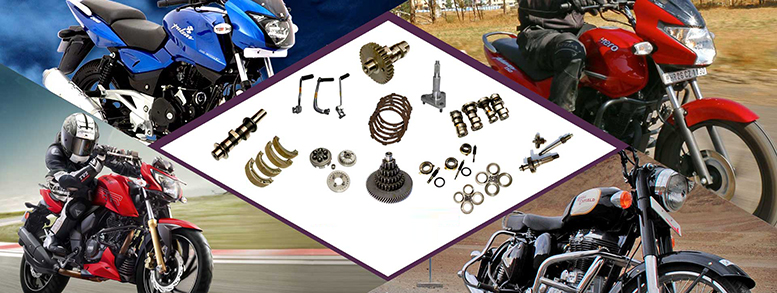
An explosive upsurge in the number of motorbikes across Africa has led to a massive increase in motorcycle spare parts businesses, as traders seek to cash in on the transport boom. This sector is currently one of the most lucrative and fastest-growing in the East African region, with independent traders and global suppliers alike rushing to satisfy the surging aftermarket demand.
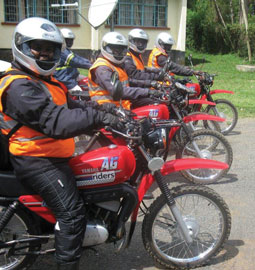
Motorcycles in Kenya and neighboring countries are primarily utilized in public transport, locally known as "boda-bodas" or "okadas," ferrying people and goods over short distances in both urban and rural areas. The sheer volume of bikes has skyrocketed as import prices drop and young entrepreneurs increasingly seek employment opportunities in the transport and last-mile delivery sectors.
This reliance on two-wheelers has established motorbikes as the backbone of the public transport system. Given the intense daily usage, demand for fast-moving spare parts—due to constant wear and tear—has reached unprecedented levels. Motorcycle spare parts outlets now dominate market centers across rural zones and line the bustling backstreets of major capitals like Nairobi, Kampala, and Lagos.
Latest Industry Developments
The African two-wheeler market is currently undergoing a historic technological transition, driven by the rapid adoption of Electric Vehicles (EVs). Innovative, home-grown companies such as Roam and Ampersand are leading the charge by locally assembling durable, electric motorcycles specifically engineered for African terrain. To support this transition, these companies are deploying vast networks of battery-swapping stations. This structural shift is transforming the traditional spare parts market; while the demand for internal combustion engine components like spark plugs and exhaust pipes will eventually taper, the demand for EV-specific components, high-capacity lithium-ion batteries, and upgraded suspension systems is creating entirely new, highly profitable supply chains.
Simultaneously, the industry is being revolutionized by digital financing and ride-hailing integrations. Fintech platforms such as M-Kopa allow riders to purchase motorbikes and essential spare parts using "pay-as-you-go" micro-financing models accessed directly via mobile money. This democratization of credit has massively lowered the barrier to entry, resulting in millions of new riders hitting the roads. Consequently, wholesale importers and aftermarket retailers are experiencing a sustained, multi-year boom in volume sales, particularly for high-wear items like heavy-duty tires, brake pads, and reinforced drive chains.

Africa Two-Wheeler Spare Parts Demand (2024 - 2028)
The Retail and Wholesale Landscape
In Nairobi, a quick survey of major commercial arteries like Kirinyaga and River Road reveals that motorcycle spare parts shops have become as ubiquitous as mobile money kiosks. While a select group of traders operate as major wholesalers—importing directly from Asian manufacturing hubs and supplying hundreds of satellite shops—the vast majority are independent retailers.
Due to the heavy, daily reliance on motorbike taxis, routine maintenance items dictate cash flow. Tyres, tubes, and brake pads require replacement every four to seven months, generating massive, consistent repeat business.
The most common traditional motorcycle brands dominating the continent include TVS, Bajaj Boxer, Haojue, and Jingchen. Because a large percentage of these internal combustion bikes are manufactured in India or China using standardized templates, they frequently share interchangeable aftermarket parts. This standardisation allows spare parts dealers to maintain leaner inventories while servicing a wider variety of motorbike brands.
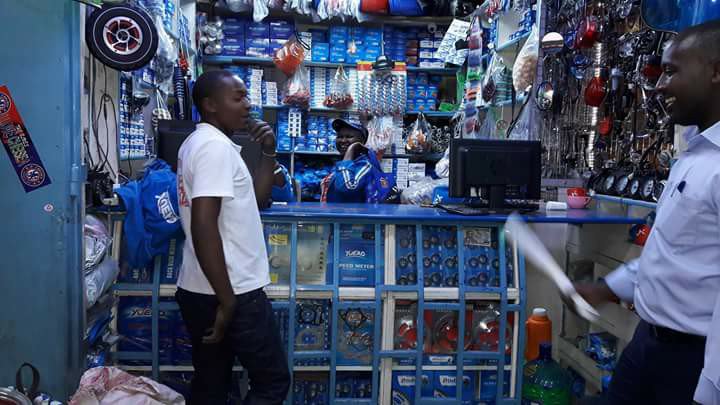
However, like other fast-growing retail sectors, the industry has been heavily infiltrated by counterfeit products. "There are so many sub-standard spare parts in the market that it requires strict vetting to avoid them," notes a veteran dealer. "They are cheap but simply do not last the harsh conditions, which ultimately harms the retailer's reputation." This dynamic is slowly pushing fleet operators and individual riders toward certified, branded aftermarket components that guarantee longevity and safety.
Did You Know?
