
The African retail landscape has experienced significant restructuring over the last decade. Historically, South Africa’s retailers, spurred by slowing domestic growth, spearheaded expansion into Sub-Saharan Africa. However, the market dynamics in 2025 and 2026 have shifted. While pioneers like Shoprite originally led the charge, recent years have seen strategic realignments, with many South African giants consolidating their focus on the SADC region. Conversely, international mega-retailers—most notably French retailer Carrefour (operated regionally by Majid Al Futtaim)—have aggressively captured market share across East and North Africa.
Informal outlets, such as open-air markets and independent kiosks, continue to dominate food retail in most African countries. While this fragmentation poses logistical obstacles, it has also birthed a booming B2B digital commerce sector, with tech platforms actively digitizing these informal supply chains.
That consumers are starting to favour the convenience, hygiene, and product variety offered by formalized supermarkets and modern shopping centres is not in doubt. However, the supply of prime retail space remains thin, and bureaucratic hurdles persist. Another crucial concern for new entrants is navigating complex distribution channels and the fluctuating costs of importing products amid global currency volatilities.
Kenya Market for Food
Kenya’s food retail sector is highly developed within the African context. Unlike a decade ago when local players exclusively dominated the scene, foreign retailers have now successfully broken into the market. Carrefour has established a massive footprint, operating numerous hypermarkets and supermarkets, effectively competing alongside dominant homegrown chains like Naivas and Quickmart.
These leading Kenyan retailers are continuously increasing the range of their product offerings—particularly in fresh produce, private-label FMCG goods, and ready-to-eat meals—in order to build market share. They are also leveraging Nairobi's position as an economic hub to expand further into the broader East African region, including Rwanda and Tanzania.
Top Foodstuff & FMCG Items Imported into Africa (Est. Annual Value USD Billions)

© Africa Business Pages
Source: FAO & Regional Trade Flow Estimates, 2026
Nigeria Market for Food
The Nigerian retail scene remains heavily reliant on informal trade, although modern retail penetration is accelerating with the entry of localized supermarkets and a surge in neighborhood shopping centres.
The major traditional foodstuffs consumed by the majority of the population are predominantly unprocessed and semi-processed items (including maize, sorghum, tubers, and fish). However, ongoing shifts regarding urbanization, changing lifestyles, and the preferences of a massive youth demographic are resulting in increased demand for a wider range of packaged and processed FMCG products.

Furthermore, E-commerce and quick-commerce have taken off sharply in Nigeria. Platforms like Jumia, Glovo, and Chowdeck have revolutionized food and grocery delivery in Lagos and Abuja. These services appeal to the urban middle class by saving consumers time navigating heavy traffic and circumventing the limitations of physical formal retail outlets.
Africa Foodstuff Importers Directory: Database of Foodstuff Importers in Africa
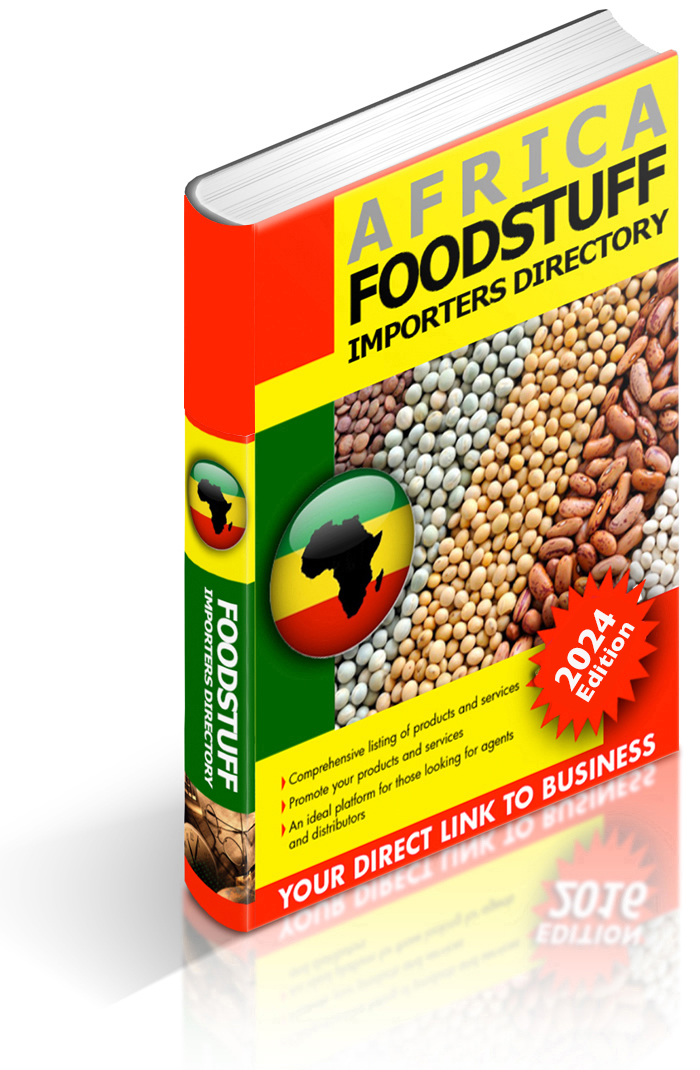 In a bid to help global foodstuff suppliers find verified importers, wholesalers, dealers, and agents in Africa, the African Business Pages has compiled a specialized directory. This comprehensive database lists active foodstuff importers across more than 24 African countries. The Africa Foodstuff Importers Directory is available as a digital download and has played an instrumental role in promoting direct B2B contacts between African foodstuff importers and international suppliers.
Adapted for immediate online distribution, the directory is available in Excel format as an instant digital download. It serves as an essential tool for export managers wanting to safely navigate the African FMCG market. You can download the directory HERE.
Personal Care Products
This segment includes shampoo, toothpaste, soap, deodorants, skincare, and make-up. The sub-sector boasts phenomenal potential for expansion across the continent. Apart from standard drivers like a favourable demographic profile and urbanization, an added catalyst is the willingness of African consumers to spend a proportionately large share of their discretionary income on premium beauty and grooming products—a trend observed across both male and female demographics.
This is partially driven by the aggressive entry of popular international brand names, alongside a sharp uptake in social media penetration via mobile telephony, which has vastly increased exposure to global beauty trends and influencer-driven marketing.
Kenya: Market for Personal Care Products
Unilever remains a market leader in Kenya's personal care industry. Having been present in the country for decades, it boasts an incredibly robust, multi-tiered distribution network. Brand loyalty is deeply entrenched through localized marketing campaigns and the provision of quality products at affordable price points. They are joined by global giants like L'Oréal and Estée Lauder, as well as highly competitive local brands that cater specifically to African skin and hair types.
As consumers’ disposable incomes rise, market behavior dictates they first make a "quantity shift" (e.g., purchasing basic toothpaste more frequently), before graduating to a "quality and variety shift" (e.g., purchasing premium whitening brands, mouthwash, and dental floss).
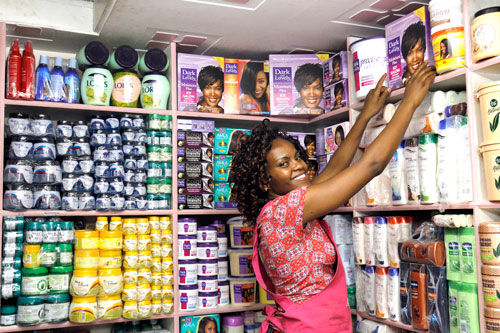 According to industry experts like Dr. Andrew Wetende of the Kenya Dental Association, historically only a fraction of Kenyans had access to quality dental care. Dr. Wetende has advocated for "Kenyans to take up brushing their teeth as a habit and stop considering it as a luxury." This paradigm shift is actively materializing. As incomes rise, the proportion of household budgets dedicated strictly to food declines, freeing up capital that drives the strong growth expected in the oral and personal care sectors.
The main sources of Kenya’s oral care and cosmetics imports are India, Thailand, South Africa, and China, while Kenya itself acts as a distribution hub, re-exporting to Uganda, Ethiopia, Somalia, Rwanda, and Tanzania. Notably, regional governments periodically adjust import duties on packaged cosmetics and plastics to protect domestic manufacturers and stimulate local manufacturing bases.
Africa's Foodstuff Market
The implementation of the African Continental Free Trade Area (AfCFTA) has begun to fundamentally alter the FMCG and foodstuff supply chain across the continent. By reducing intra-African tariffs and harmonizing cross-border customs procedures, regional manufacturing hubs—such as Kenya for East Africa, and Egypt for North Africa—are seeing a surge in exports to neighboring, landlocked nations. This is encouraging multinational FMCG brands to shift from importing finished goods from Europe and Asia to establishing massive local agro-processing and packaging facilities directly on the continent, significantly reducing lead times and logistics costs.
Simultaneously, severe foreign exchange shortages in key markets like Nigeria and Egypt during recent years have catalyzed a "localization" trend. To mitigate exposure to volatile dollar-denominated imports, major retail chains and foodstuff distributors have aggressively pivoted to sourcing locally produced staples, dairy, and consumer goods. This forced pivot has stimulated massive private equity investment into African agritech and light manufacturing, aiming to secure food sovereignty and build resilient, localized supply chains capable of meeting the demands of a population projected to reach 2.5 billion by 2050.
Did you know?
