

Uganda is making rapid strides to emerge as the premier regional business and logistics hub for the East African Community (EAC). In a concentrated effort to promote regional and international trade, the government has launched several aggressive initiatives to modernize its telecommunications and transport infrastructure. At the forefront of this economic strategy is the massive, multi-phase upgrade and expansion of Entebbe International Airport, designed to transform the facility into a world-class gateway for global passenger and cargo aircraft.
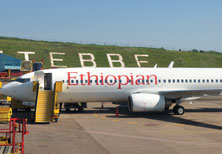
Entebbe International Airport lies astride the equator, frequently earning it the title of the “Airport on the Equator.” Elevated at 3,782 feet above sea level, the airport sits on a spectacular peninsula bordering Africa’s largest freshwater body, Lake Victoria. Because Uganda is a landlocked nation, its direct contact with the outside world is heavily dependent on these air connections. Goods are flown directly into Entebbe for further distribution deep into the African interior, making seamless air cargo movement of paramount importance to the overall expansion of the Ugandan economy.
Latest Developments at Entebbe Airport
Uganda’s aviation sector is currently experiencing a historic boom. In January 2026, the Uganda Civil Aviation Authority (UCAA) officially opened a state-of-the-art, 20,000-square-meter passenger terminal. This massive infrastructure upgrade has increased Entebbe's passenger handling capacity from two million to over 3.5 million travelers annually. The new facility features advanced aerobridges, vastly expanded check-in counters, self-service kiosks, and extended duty-free shopping lounges, ensuring a streamlined and highly efficient experience for international business travelers and tourists alike.
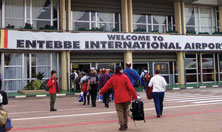
Concurrently, the cargo sector has been entirely revolutionized. A newly constructed, Chinese-built cargo center capable of handling 100,000 metric tonnes annually is now fully operational, replacing the outdated 50,000-tonne facility. This modernization immediately yielded results; in February 2026, Entebbe recorded a massive surge in international traffic, handling nearly 190,000 passengers and 4,498 metric tonnes of cargo in a single month. This increased logistical capacity is particularly vital for Uganda's agricultural sector, allowing for the rapid export of highly lucrative, temperature-sensitive cash crops like premium Arabica and Robusta coffee to global markets.
Liberalization and Future Growth
The need for this expansion has come at a critical and highly appropriate time. Uganda has registered impressive GDP growth over the last decade, successfully keeping inflation under control and attracting significant foreign direct investment (FDI). Consequently, Entebbe has witnessed a substantial rise in the number of international airlines operating daily routes.
Recognizing the absolute necessity of regulating the smooth flow of air freight, the Government of Uganda has enacted progressive policy shifts. By changing the taxation basis for air cargo from CIF to FOB, the government aims to drastically boost airfreight volumes and enhance Uganda's global export competitiveness. Furthermore, the liberalization of cargo handling services—abolishing previous monopolies—has successfully attracted top-tier technical and management expertise, eliminating delays and professionalizing ground operations to meet strict international aviation standards.
Did You Know?
