

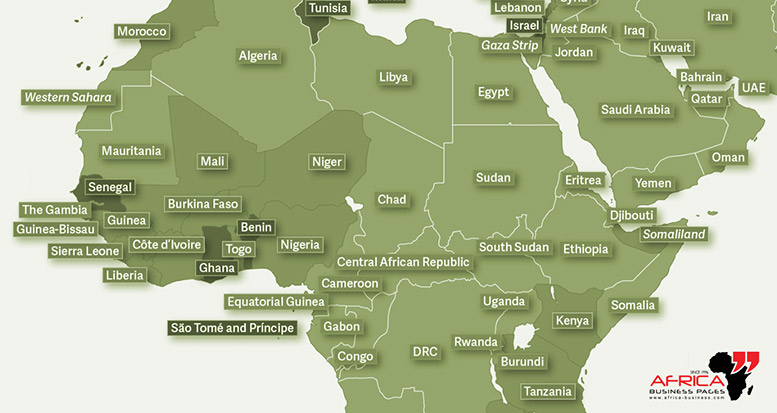
East Africa is a region overflowing with potential. From high-tech agriculture and critical mineral mining to eco-tourism and renewable energy, investment opportunities abound. With the aim of harnessing this potential to promote robust economic growth and development, the eight partner states of the East African Community (EAC) have agreed to cooperate extensively in the areas of Investment and Industrial Development, as outlined in the EAC Treaty.
This dynamic co-operation seeks to rationalize cross-border investments and ensure the full use of established industries, promoting efficiency in production with a view to cementing the Community as a single, frictionless investment area.
With a combined population of over 300 million people, East Africa boasts one of the largest and fastest-growing single-bloc regional markets in the world. This market is made even more formidable by a series of mutually beneficial partnerships with regional blocs such as COMESA and SADC. Through the Tripartite Free Trade Area, this creates a combined consumer base of well over 800 million. The EAC also operates a fully fledged Customs Union and Common Market.
Latest Economic Developments
In 2025 and 2026, East Africa has firmly established itself as the economic growth engine of the continent. Following the historic admissions of the Democratic Republic of the Congo (DRC) and Somalia into the EAC, the bloc has expanded its geographic and logistical reach from the Indian Ocean all the way to the Atlantic. This massive expansion has unlocked unprecedented cross-border trade corridors, allowing for the seamless movement of critical minerals, agricultural commodities, and manufactured goods across a unified customs territory.
Furthermore, the region is experiencing a megaproject infrastructure boom. The synchronized development of the Standard Gauge Railway (SGR) networks across Kenya, Tanzania, and Uganda is drastically reducing freight transit times from major coastal ports to landlocked interiors. Coupled with the implementation of the African Continental Free Trade Area (AfCFTA) and the harmonization of digital cross-border payment systems, East Africa is successfully dismantling non-tariff barriers and attracting record levels of foreign direct investment (FDI) into its manufacturing and tech sectors.

Top 7 Import Commodities in East Africa
The member countries of the EAC are actively working towards the transformation of the manufacturing sector through high value-addition and product diversification, capitalizing on the distinct comparative and competitive advantages of the region.
An added incentive for international investors and business people is the fact that EAC members qualify for duty-free access to the US market under the African Growth and Opportunity Act (AGOA), as well as the EU’s Everything But Arms (EBA) initiative, under which products have preferential access to the European market.
That should be pure music to the ears of any prospective investor, alongside the ready availability of a young, highly skilled, and technologically connected labor force. Furthermore, since the 1990s, EAC countries have undertaken comprehensive economic reforms aimed at reducing direct government intervention and stimulating the growth of the private sector as the primary engine of economic expansion.

Advantages of the Single Market
A single, integrated market offers immense benefits. With the freedom of movement for goods, labor, and capital between member countries, the factors of production become far more efficiently allocated, dramatically increasing overall regional productivity.
For both businesses and consumers, a single market creates a highly competitive environment, making the existence of monopolies extremely difficult. While inefficient companies may lose market share, efficient, forward-thinking firms benefit from massive economies of scale, increased competitiveness, and lower operational costs.
Consumers benefit immensely from this environment, enjoying cheaper products, more efficient service providers, and a vastly increased choice of goods. Moreover, competing businesses are driven to innovate continuously, creating new products tailored specifically to the African consumer.
In addition, by operating within a common market and adhering to unified policies, countries within the trading bloc become mutually invested in each other's success. This creates a system of regional surveillance and support, ensuring that best practices are adhered to, political stability is maintained, and the entire bloc operates on a highly efficient production and consumption curve.
Did You Know?
