

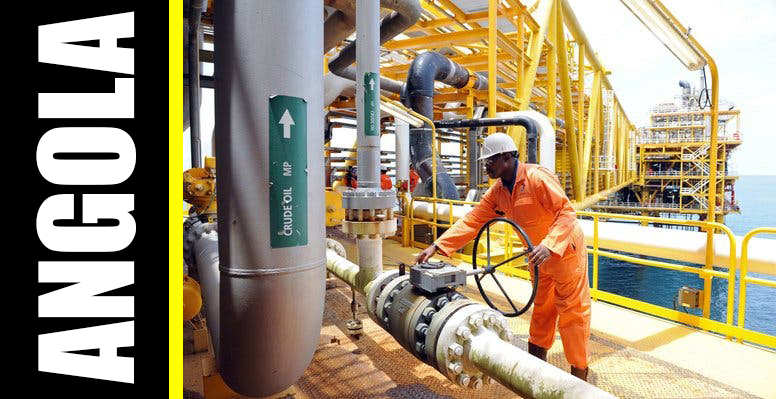
India has systematically stepped up its efforts to gain a definitive economic foothold in Africa, engaging in a strategic scramble with China for the continent’s vast consumer markets and resources. Historically, India lagged behind China’s aggressive courting of African nations for energy security and raw materials. While Beijing utilized its deep pockets to build roads, railways, and monumental public infrastructure to win favor—deploying hundreds of thousands of Chinese workers across the continent—India's democratic system and bureaucratic processes initially resulted in a slower, more cautious approach to funding mega-projects.
However, the narrative has shifted dramatically. In recent years, India has deployed high-level trade missions through Sudan, Nigeria, Angola, and Uganda. India’s state-backed Oil and Natural Gas Corporation (ONGC Videsh) has continuously secured multi-million dollar investments in Nigerian oil blocks and established joint exploration frameworks with Angola. India has also strategically leveraged its diplomatic capital to resolve payment disputes in East Africa while actively investing in emerging oil and gas frontiers in Uganda and Mozambique.
India-Africa Bilateral Trade Growth (USD Billions)

© Africa Business Pages
Source: Ministry of Commerce & Industry (India) Projections, 2026
Nigeria remains one of India’s largest African trading partners, and both nations are committed to expanding this figure. India’s flagship energy companies have aggressively pursued liquefied natural gas (LNG) projects in Angola and Nigeria. Furthermore, India has offered billions of dollars in investments to construct and refurbish local refineries, addressing the chronic fuel processing shortages in Africa's top oil-producing states.
“India has been trying to solidify its presence in Angola and West Africa for a long time, making these investments a significant developmental milestone,” noted an African economic affairs specialist. While India lost out on several early licensing rounds in Angola due to intense Chinese competition, Indian officials frequently play down the direct rivalry between the two Asian giants, preferring to focus on mutual economic growth.
"We don’t view China as a direct competitor; we acknowledge that both our growing economies require robust energy sourcing," stated an Indian diplomatic official in Luanda. India’s cooperative approach emphasizes skills transfer and local capacity building. While China historically granted Angola tens of billions in oil-backed loans for post-war reconstruction—bringing in over 40,000 Chinese laborers at its peak—India has focused on smaller, targeted credit lines that employ higher ratios of local African workers. Analysts suggest that Africa benefits immensely from this competition. "Having another major global investor to compete with China drives down costs and brings significant benefits in terms of project quality and delivery timelines," industry observers note.
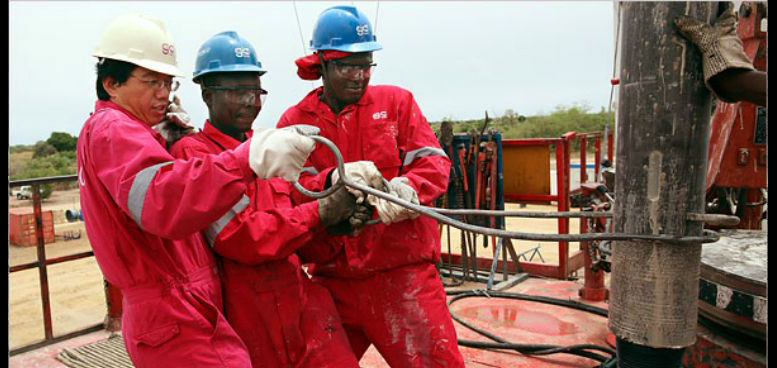
Historical Tensions: Sino-Angola Labor Dynamics
While Chinese investment accelerated Angola's post-civil war reconstruction, it also generated complex socio-economic frictions. In the decades following the end of the 27-year-long civil war in 2002, the massive influx of Chinese laborers sometimes led to intense local resentment. Historically, Chinese business leaders reported "mafia-style" attacks targeting their workers, including violent robberies in the capital, Luanda.
 High-profile incidents, such as armed men attacking construction offices, created an atmosphere of fear among expatriate communities at the time. "These incidents were the tip of the iceberg," noted former community leaders, highlighting the anxiety that gripped foreign contractors. Local police commands, however, historically maintained that crime was a reality of rapid urban expansion rather than a coordinated campaign against specific nationalities. Today, while physical security has improved, the dynamic has forced both Chinese and Indian firms to prioritize local community engagement and stricter corporate social responsibility (CSR) initiatives to safeguard their long-term trade ties.
Latest Bilateral Trade Relations (India-Africa 2025/2026)
Entering 2026, India-Africa bilateral trade has surged past the $110 billion mark, cementing India as one of the continent's top three global trading partners. The relationship has evolved far beyond raw material extraction. Indian investments now heavily target digital infrastructure, telecommunications, healthcare, and pharmaceutical manufacturing. India's Duty-Free Tariff Preference (DFTP) scheme has dramatically expanded market access, allowing over 98% of African goods to enter the Indian market duty-free, significantly narrowing the historic trade deficit.
Furthermore, strategic frameworks like the India-Africa Forum Summit have facilitated billions in concessional lines of credit for critical development projects. Unlike China's infrastructure-heavy dominance, India’s modern approach is distinctly tech-and-services oriented. Indian multinational corporations, alongside mid-sized IT enterprises, are currently leading the deployment of robust digital payment systems, localized data centers, and generic pharmaceutical plants across East and West Africa, building a resilient, knowledge-based economic partnership.
Did you know?
